



The Complete Guide to Tongue and Groove Wood (Types, Uses, and How to Choose)
If you’ve been looking into wood options for your home or project, chances are you’ve already noticed tongue-and-groove wood. It’s that classic, sturdy material you see used everywhere, from ceilings and walls to beautiful flooring and even outside your home. It’s one of those rare wood profiles that truly stands the test of time, valued for both its inherent strength and its remarkably clean, finished look.
Here at Reliance Timber, we spend our days working with folks who appreciate materials that are reliable, natural, and built to last. That includes homeowners dreaming of a new look, skilled builders crafting lasting structures, and contractors managing complex projects. This guide is designed to bring all the essential information together in one simple place. Our goal is to help you feel completely confident as you choose the perfect tongue and groove boards for your next big idea.
What Exactly Is Tongue and Groove Wood?
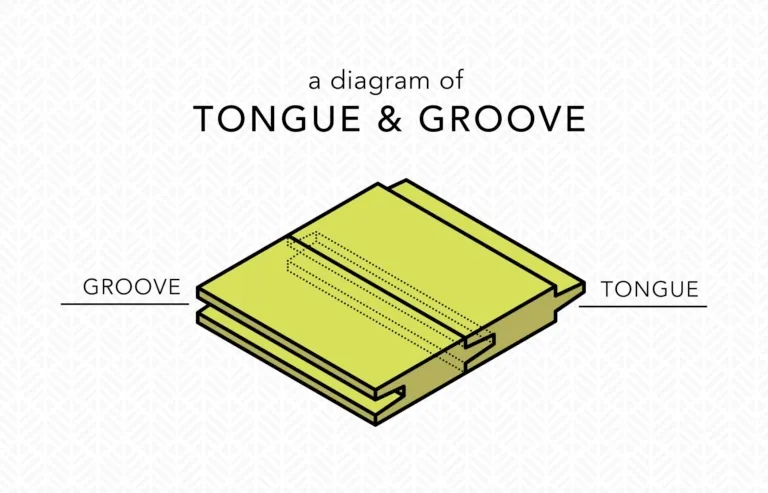
At its heart, tongue and groove is a clever way of joining wood boards together. Imagine each board having a special shape: one side features a raised, protruding edge, which we call the “tongue.” The opposite side has a perfectly carved-out channel, known as the “groove.” These two parts fit together with satisfying precision, creating a surface that feels incredibly smooth and wonderfully secure.
This smart design accomplishes a few important things that make it so popular:
- It creates a tight, seamless fit: This means you see fewer unsightly gaps between boards, giving your surface a clean, continuous appearance.
- It helps align boards during installation: The interlocking nature guides each piece into place, making the installation process smoother and more accurate.
- It significantly improves structural stability: Once joined, the boards work together as a single unit, making the entire surface much stronger and more rigid.
- It allows for natural wood movement: Wood naturally expands and contracts with changes in humidity. The tongue and groove system accommodates this movement subtly, preventing warping or buckling.
Because of these benefits, tongue and groove wood is a go-to choice for a huge variety of projects, whether you need something structurally sound or simply beautiful to look at.
Tongue and Groove vs Other Wood Options

When comparing tongue and groove wood to other common wood options, the biggest difference comes down to how the boards connect and perform over time.
- Shiplap: Overlapping boards that create a small gap between pieces. Easier to install, but not as tight or structurally secure as tongue and groove.
- Square edge boards: Installed side by side without interlocking. These often require additional backing or spacing and are more prone to visible gaps.
- Paneling systems: Typically pre-manufactured and less customizable compared to real wood tongue and groove boards.
Tongue and groove stands out because it creates a tighter fit, improves durability, and delivers a cleaner finished look. That’s why it’s often the preferred option for ceilings, walls, and flooring where both performance and appearance matter.
Types of Tongue and Groove Boards
It’s important to remember that not all tongue and groove boards are created equal. The type of wood, how it’s cut, and its final finish all play a big role in how it looks and how well it performs for your specific project.
Pine Tongue and Groove
Pine stands out as one of the most beloved choices, especially for interior spaces.
- Affordable and easy to find: It’s readily available and generally kind to your budget.
- Warm, natural appeal: Pine brings a cozy, inviting feel with its natural color and charming visible knots.
- Take stain or paint beautifully: You can customize its look to match any decor.
- Perfect for walls and ceilings: It’s particularly popular for creating stunning tongue and groove ceilings.
For those who love a more rustic, textured aesthetic, options like rough-sawn pine are often chosen. They add character and a unique tactile quality to any space.
Cedar Tongue and Groove
When your project involves the outdoors or areas prone to moisture, cedar is frequently the top recommendation.
- Naturally resistant: Cedar famously resists rot and keeps insects at bay, making it perfect for exterior use.
- Lightweight and stable: It’s easy to work with and maintains its shape well.
- Excellent for exteriors: Think siding, soffits, and even outdoor ceilings that need to withstand the elements.
Hardwood Tongue and Groove
For flooring that needs to stand up to daily life, hardwoods like oak or maple are the usual suspects.
- Incredibly strong and durable: These woods are built to last through years of foot traffic.
- Clean, refined appearance: They offer a sophisticated look that elevates any room.
- Ideal for high-traffic areas: Their resilience makes them perfect for busy family homes or commercial spaces.
Knotty vs. Clear Grades
The grade of your wood simply refers to its visual style.
- Knotty grade: This gives you that classic, rustic, cabin-like feel, celebrated for its visible knots and natural imperfections.
- Clear grade: If you’re aiming for a smooth, modern, and very refined appearance with minimal natural markings, clear grade is the way to go.
Common Uses for Tongue and Groove Wood
One of the greatest strengths of tongue and groove boards is their incredible versatility. They can truly transform a wide range of projects and spaces.
Tongue and Groove Ceilings
Putting tongue and groove on the ceiling is one of its most cherished applications.
- Adds warmth and dimension: It instantly makes a room feel cozier and more inviting.
- Hides ceiling imperfections: It’s a great way to cover up any unevenness in the framing above.
- Works everywhere: You’ll find them in charming cabins, elegant homes, and stylish commercial spaces.
Wall Paneling
Using tongue-and-groove wood for interior walls is another popular choice.
- Creates a seamless finish: It gives walls a polished, custom look that feels complete.
- Adds texture without overwhelming: It provides visual interest and depth without making a room feel too busy.
- Fits many styles: Equally at home in rustic farmhouses and sleek modern designs.
Flooring
Hardwood tongue and groove flooring offers both lasting durability and excellent stability.
- Interlocking boards stay put: The design reduces shifting, meaning a more stable floor over time.
- Built for the long haul: It stands up beautifully to heavy use for many years.
- Easy to refinish: When it starts to show its age, it can be sanded and refinished to look new again.
Exterior Siding and Soffits
Specific wood types, like cedar, are perfectly suited for outdoor use.
- A natural, timeless exterior: It offers curb appeal that never goes out of style.
- Protect your home: It helps shield the structure from weather and the elements.
- Flexible installation: Can be installed either vertically or horizontally for different looks.
Specialty Projects
Tongue and groove wood also shines in more unique applications, such as:
- Stair accents and beautiful trim details.
- Porch ceilings that add a touch of elegance.
- Eye-catching accent walls.
- Custom millwork pieces.
If your current project involves upgrading your stairs, you might also want to explore our range of stair parts.
How to Choose the Right Tongue and Groove Wood

Selecting the perfect tongue and groove wood for your project really boils down to considering a few key factors.
Project Location
Where the wood will be installed is a big consideration.
- Inside your home: Pine is a fantastic and versatile choice.
- Outside or in damp areas: Cedar will offer superior performance and resistance.
Desired Aesthetic
Spend some time thinking about the overall style and feeling you want to create.
- Rustic charm: Look for knotty pine or finishes that mimic rough-sawn wood.
- Modern elegance: Clear grade, smooth boards will give you that sleek look.
- Timeless traditional: A balanced grain with a light stain often works perfectly.
Board Profile and Size
Tongue and groove boards come in various widths and thicknesses.
- Wider boards: These tend to create a boulder, more open, and expansive feel in a space.
- Narrower boards: These can offer a more detailed, intricate appearance.
Finish Options
You generally have a choice between wood that is prefinished or unfinished.
- Prefinished wood: This saves you a lot of time during installation, as the staining or painting is already done.
- Unfinished wood: This gives you complete creative freedom to customize the color and finish exactly as you envision it.
Installation Environment
Always think about the specific conditions of the space: moisture levels, temperature fluctuations, and ventilation.
- Acclimation is key: Always allow your wood to acclimate to the room for several days before installation. This prevents future issues.
- Proper sealing: Use appropriate sealants, especially for areas exposed to moisture, to ensure long-term durability.
Taking the time to choose the right material upfront can help you avoid costly adjustments later and ensure your finished project looks and performs exactly as expected.
How Much Does Tongue and Groove Wood Cost?
The cost of tongue and groove wood can vary depending on several factors:
- Wood species: Pine is typically more affordable, while cedar and hardwoods cost more
- Grade: Clear grades are usually more expensive than knotty options
- Finish: Prefinished boards cost more upfront but save time during installation
- Board size and profile: Wider or specialty profiles may increase pricing
While tongue and groove boards may cost more than basic alternatives, they often provide better long-term value due to durability, appearance, and reduced maintenance.
Installation Basics
While every project is a little different, there are some fundamental best practices for installing tongue-and-groove wood:
- Always let the wood get used to its new environment before you start.
- Begin with a perfectly straight and level starting point.
- Use the right fasteners to secure the boards without causing any splits.
- Remember to leave a little room for the wood’s natural expansion.
For larger or more intricate projects, especially for ceilings or exterior applications, bringing in a professional installer is always a smart move.
Why Tongue and Groove Wood Is a Long-Term Investment
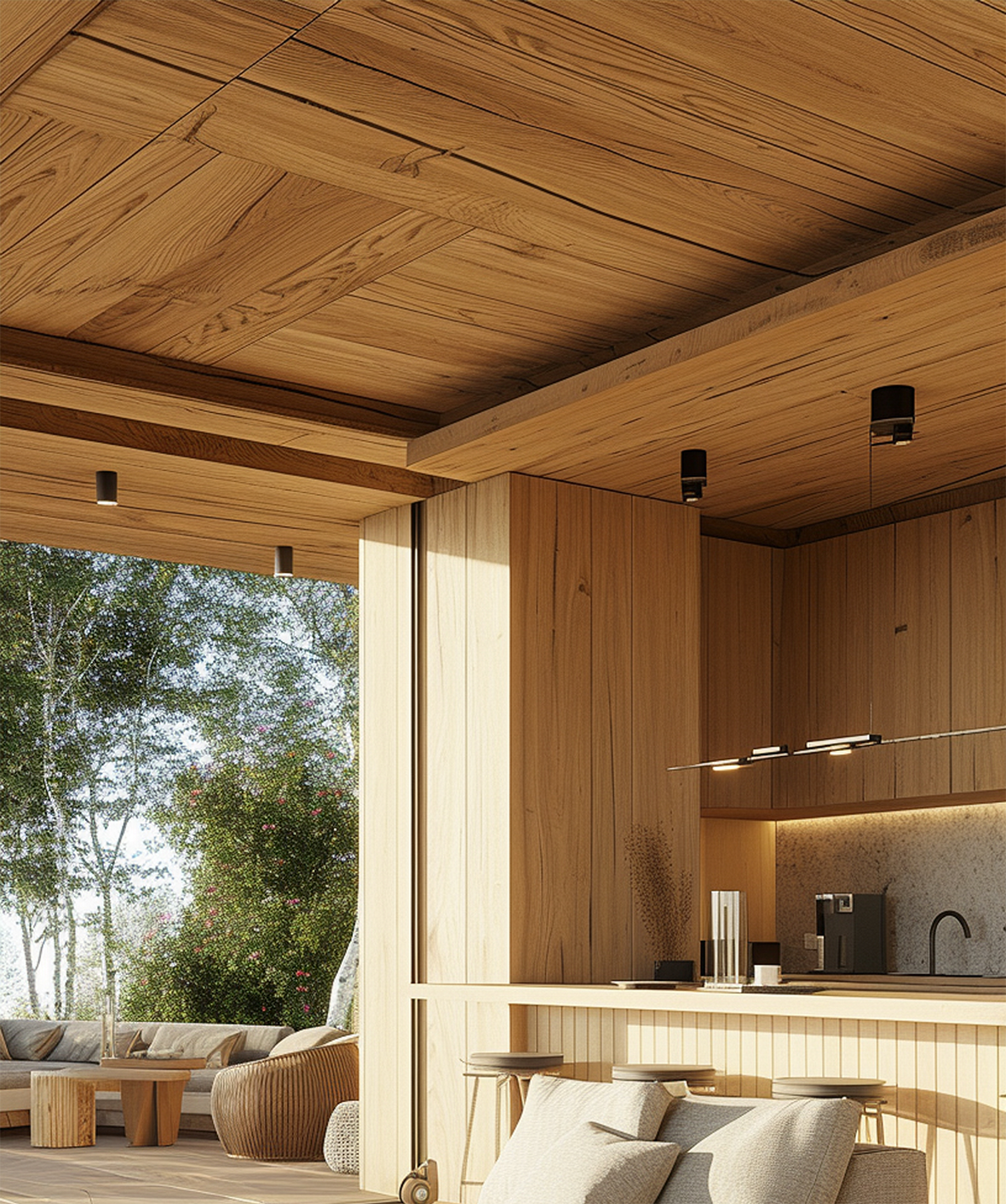
Choosing tongue and groove wood is about much more than just good looks. It’s a smart, practical, and long-lasting decision for your home or project.
- Superior durability: Its strong interlocking system significantly enhances the overall strength and longevity of the surface.
- Adds value: Natural wood products always add inherent value and appeal to any space.
- Timeless design: This classic look never goes out of style, ensuring your investment remains beautiful for years to come.
- Easy to maintain: With simple care and the option to refinish, it can look fresh and new for decades.
When you source your tongue and groove wood from a quality supplier, you can absolutely count on it performing beautifully for many, many years.
Frequently Asked Questions About Tongue and Groove Wood
1. What is tongue and groove wood used for?
Tongue and groove wood is commonly used for ceilings, walls, flooring, and siding. Its interlocking design makes it ideal for both structural stability and decorative finishes.
2. Is tongue and groove good for ceilings?
Yes, tongue and groove ceilings are one of the most popular applications. They create a seamless look, add warmth to a space, and help hide imperfections.
3. Can tongue and groove be used outdoors?
Yes, but the wood species matters. Cedar is a popular choice for exterior applications because of its natural resistance to moisture, rot, and insects.
4. Do tongue and groove boards shrink or expand?
Yes, all wood naturally expands and contracts with changes in humidity. Tongue and groove systems are designed to accommodate this movement while maintaining a tight fit.
Bringing It All Together
Whether your vision includes a stunning new tongue and groove ceiling, upgrading your walls, or selecting materials for an entire new build, making the right choice truly comes down to understanding your space, your personal style, and your ultimate goals for the project.
At Reliance Timber, we are deeply committed to providing only the highest quality wood products. Our focus is on materials that support both elegant design and practical function, ensuring your project is both beautiful and built to last. If you’re currently exploring options for your next venture, please feel free to reach out to our knowledgeable team. We’re always here to offer guidance and help you select the perfect materials for your specific build.
Final Thoughts
Tongue and groove wood continues to be one of the most reliable, visually appealing, and practical solutions available in the world of construction and interior design. With the right material and careful installation, it has the power to transform any space. It can make a room feel complete, natural, and truly built to stand the test of time.
If you are ready to take the next step, start by choosing the ideal boards for your project. With tongue and groove, the magic is truly in the details, and those details come together in a perfectly seamless way.