


Hand Hewn Beams: What They Are, How They’re Made, and Why They Cost More
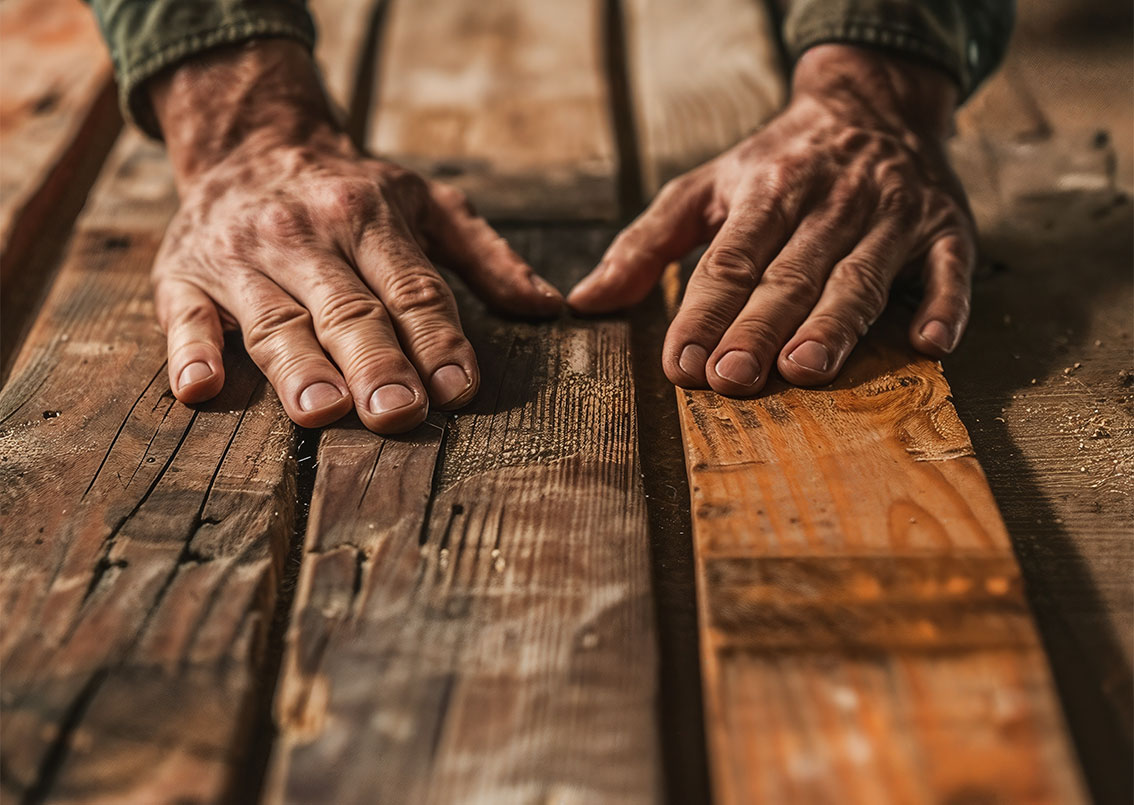
If you have ever walked into a timber frame home and noticed beams with deep texture, subtle tool marks, and a sense of history you can feel, you were likely looking at hand-hewn beams.
These beams are not just structural elements. They tell a story. Every surface reflects the work of a craftsman shaping raw timber by hand. That process is exactly what makes them stand out, and it is also why they tend to cost more than modern milled lumber.
In this guide, we will break down what hand-hewn beams are, how they are made, and what drives their cost so you can decide if they are the right fit for your project. We want to empower you with the knowledge to make an informed decision for your next build or renovation.
What are Hand Hewn Beams?
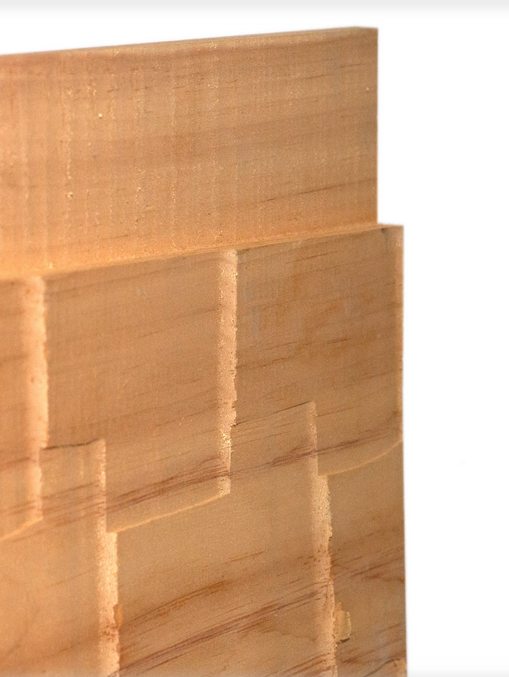
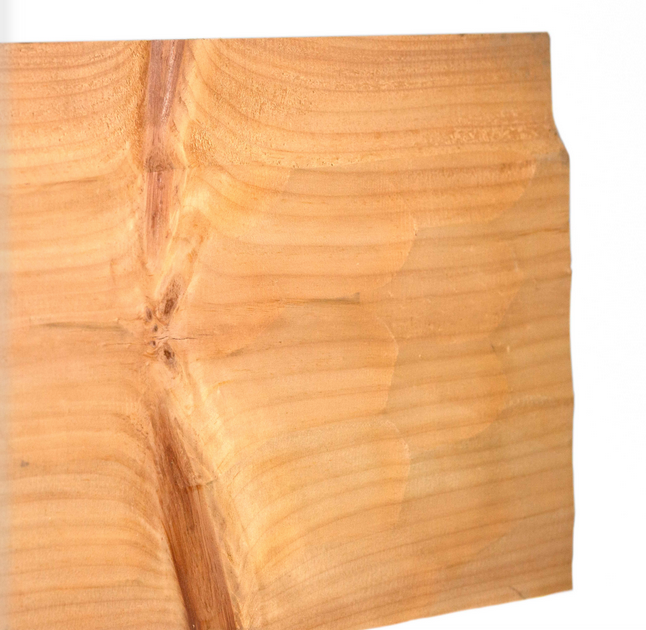
Hand-hewn beams are solid wood timbers that have been shaped using hand tools rather than modern sawmills. The process typically involves squaring a log into a beam using axes or adzes, leaving behind a textured surface that cannot be replicated by machines. This ancient method yields a truly unique product.
Instead of perfectly smooth faces, you will see slight variations, shallow grooves, and natural inconsistencies. These are not flaws. They are part of the character that makes hand-hewn beams so desirable. Imagine the subtle undulations and unique marks left by a skilled artisan. This is the hallmark of true hand hewing, offering a tactile and visual experience that machine-made products simply cannot match. Each beam carries a distinctive fingerprint of its creation.
Historically, hand hewing was the standard method used in early American construction.
Before industrial milling became common, nearly all structural timbers were shaped this way. They were the backbone of barns, homes, and public buildings, standing strong for centuries.
Today, that same look is intentionally recreated for homeowners and builders who want an authentic or rustic aesthetic. It is a way to connect with the past and bring a timeless quality to modern spaces, infusing them with a sense of heritage and permanence.
How Hand-Hewn Beams Are Made
The process of hand hewing is labor-intensive and requires both skill and patience. While some modern suppliers replicate the look using machinery, true hand-hewn beams still follow a traditional approach that has been passed down through generations through skilled hand hewing techniques. It is a testament to the enduring power of manual craftsmanship.
- Selecting the Log
It all starts with choosing the right log. Straight grain, minimal defects, and proper diameter all matter. The quality of the finished beam depends heavily on the starting material, so careful selection is key to ensuring both structural integrity and a beautiful end product. This initial step is critical, as a good log makes the hewing process smoother and the final beam stronger.
- Scoring the Log
The log is first scored along its length. This involves making a series of cuts or notches at regular intervals to define the final shape and dimensions of the beam. These scores act as a precise guide for the craftsman during the next, more intensive step, ensuring a consistent size and straight lines. It is like sketching the outline before you begin to sculpt.
- Hewing the Surface
Using a broadaxe or adze, the craftsman removes the wood between the scored cuts. This is where the signature texture is created. Each precise strike leaves a distinct mark, and together these individual marks form the distinct hand-hewn look. It is a rhythmic and demanding process that requires immense concentration, physical strength, and a deep understanding of the wood’s grain. The sound of the axe hitting wood is a reminder of the raw effort involved.
- Refining the Beam
Once the rough shape is complete, the beam may be cleaned up slightly while still preserving the visible tool marks. The goal is not perfection in the sense of a machine-made product. The goal is character, consistency, and a celebration of the artisan’s touch. Minor adjustments ensure the beam meets the necessary dimensions while retaining its unique handcrafted appeal.
This entire process takes significantly longer than milling lumber with modern equipment, which is one of the main reasons for the higher cost. It is a slow craft in a fast-paced world, and that deliberate pace adds to its intrinsic value, making each beam a labor of love.
Hand Hewn vs. Milled Beams
Understanding the difference between hand-hewn and milled beams helps clarify why builders and homeowners choose one over the other. Each has its place, but they serve distinct aesthetic and practical purposes in construction and design.
Hand Hewn Beams
- Textured surface with visible tool marks: This is their defining characteristic, providing a rich, organic feel.
- Unique character in every piece: No two hand-hewn beams are exactly alike, offering individuality and charm.
- Traditional and historically accurate appearance: Perfect for period correct renovations or achieving an authentic rustic look.
- Higher labor cost: Reflects the intensive manual process and skilled craftsmanship.
- Ideal for rustic, historic, or highly character-driven designs, where the beams are meant to be a prominent visual feature.
Milled Beams
- Smooth and uniform finish: Achieved through precise mechanical sawing, leading to a consistent appearance.
- Faster production: Machines can process logs much more quickly than hand hewing.
- Lower cost: Due to efficiency in production and less specialized labor.
- More consistent dimensions: Easier to work with for standard construction, where exact measurements are critical.
- Suitable for modern, contemporary, or concealed structural applications, where aesthetics are less about raw texture and more about clean lines or hidden support.
If your project leans toward rustic, traditional, or historic design, hand-hewn beams offer a level of authenticity that milled beams simply cannot match. They bring a warmth and story that machines cannot replicate, adding a soul to your structure.
Why Hand-Hewn Beams Cost More
One of the most common questions is why hand-hewn beams come at a premium. The answer comes down to time, labor, and craftsmanship. It is an investment in a piece of history and art, reflecting the true cost of bespoke quality.
- Labor Intensive Process: Hand hewing is done one beam at a time. Skilled craftsmen shape each piece manually, which can take hours or even days depending on the size and complexity of the timber. There are no shortcuts when working with hand tools and raw timber. This direct human involvement is a significant part of their value.
- Skilled Craftsmanship: This is not a process that can be easily automated or rushed. It requires years of experience, a keen eye, and precise execution. The expertise and artistry of the craftsman add significant value to every beam produced. It is a specialized trade that demands a master’s touch, passed down through generations.
- Material Selection: Higher quality logs are often chosen for hand-hewn work to ensure both structural integrity and visual appeal. Any imperfections in the raw timber will be more apparent in a hand-hewn finish, so starting with superior material is crucial. This selective process reduces waste and ensures a premium final product.
- Limited Supply: Because the process is slower and more specialized, hand-hewn beams are not produced at the same scale as milled lumber. That limited availability can also impact pricing, as demand often outweighs the time-consuming production. This scarcity contributes to their exclusivity and desirability.
- Durability and Longevity: Historically, hand-hewn timbers have proven their incredible durability, standing for hundreds of years in structures across the globe. The careful selection of wood and the unique way the fibers are structured through hewing can contribute to their long lifespan, making them a lasting investment.
Where Hand Hewn Beams Are Commonly Used
Hand-hewn beams are often used in projects where visual impact matters just as much as structural performance. They are a focal point, a conversation starter, and a connection to a bygone era of building, truly enhancing the character of a space.
- Timber frame homes: Providing both structural support and the iconic aesthetic of traditional timber framing.
- Post and beam construction: Where the beauty of the exposed timber is a central design element.
- Cabin interiors and great rooms: Adding warmth, ruggedness, and a sense of retreat.
- Exposed ceiling systems: Creating dramatic visual interest and showcasing architectural details.
- Accent beams in modern rustic designs: Blending old-world charm with contemporary styles for a unique fusion.
- Restoration projects for historic buildings: Ensuring authenticity and respecting the original construction methods.
- Fireplace mantels and decorative features: As standalone elements that draw the eye and add character.
They can be used structurally or as decorative elements, depending on the needs of the project. For example, a homeowner might choose hand-hewn beams for the main living area while using more conventional timbers elsewhere for less visible supports.
If you are planning a timber frame or post and beam build, it is worth exploring options like our post and beam timbers to see how hand-hewn finishes can be incorporated into the overall design. Consider how they will interact with other elements in the space and how they will contribute to the overall ambiance.
Are Hand Hewn Beams Right for Your Project?
Choosing hand-hewn beams depends on your goals, your budget, and the overall style of your build. It is a decision that balances aesthetics with practicality, and we’re here to help you weigh those factors.
They may be the right choice if you want:
- A true rustic or historic look that feels authentic and deeply rooted in tradition.
- A one-of-a-kind visual character with stories embedded in the wood, making your space truly unique.
- Materials that feel handcrafted and add warmth and an undeniable presence to your space.
- To make a statement and create a focal point that will be admired for years to come.
- To invest in materials that are not only beautiful but also built to last for generations.
They may not be necessary if:
- You prefer a clean and modern aesthetic with smooth lines and minimalist design.
- Budget is a primary concern, and you need to minimize costs without compromising structural integrity.
- The beams will not be visible in the final design and are purely structural, hidden behind drywall or other finishes.
- You require highly uniform and predictable dimensions for very precise prefabrication.
For many builders, a combination works well. Structural elements can use standard timber products, while key visible areas feature hand-hewn beams for added character and a touch of artisanal flair. This allows for both efficiency and a powerful aesthetic statement, providing the best of both worlds.
Final Thoughts
Hand-hewn beams bring a level of craftsmanship and authenticity that is hard to replicate. From the selection of the log to the final shaping, every step reflects a hands-on process that has been used for generations. They are more than just wood; they are a piece of history, shaped by human skill and effort.
That craftsmanship is what sets them apart, and it is also what drives their cost. It is an investment in a piece of building history, a testament to enduring quality and timeless design. When you choose hand-hewn, you are not just buying a beam; you are acquiring a legacy.
If you are considering hand hewn beams for your next project, the right material selection makes all the difference. Our team can help you choose the right timber, finish, and structure to match your vision and budget.
Contact us today to talk through your project and get expert guidance on the best timber solution for your build.